

 英语
 中文简体
 西班牙语
 越南语
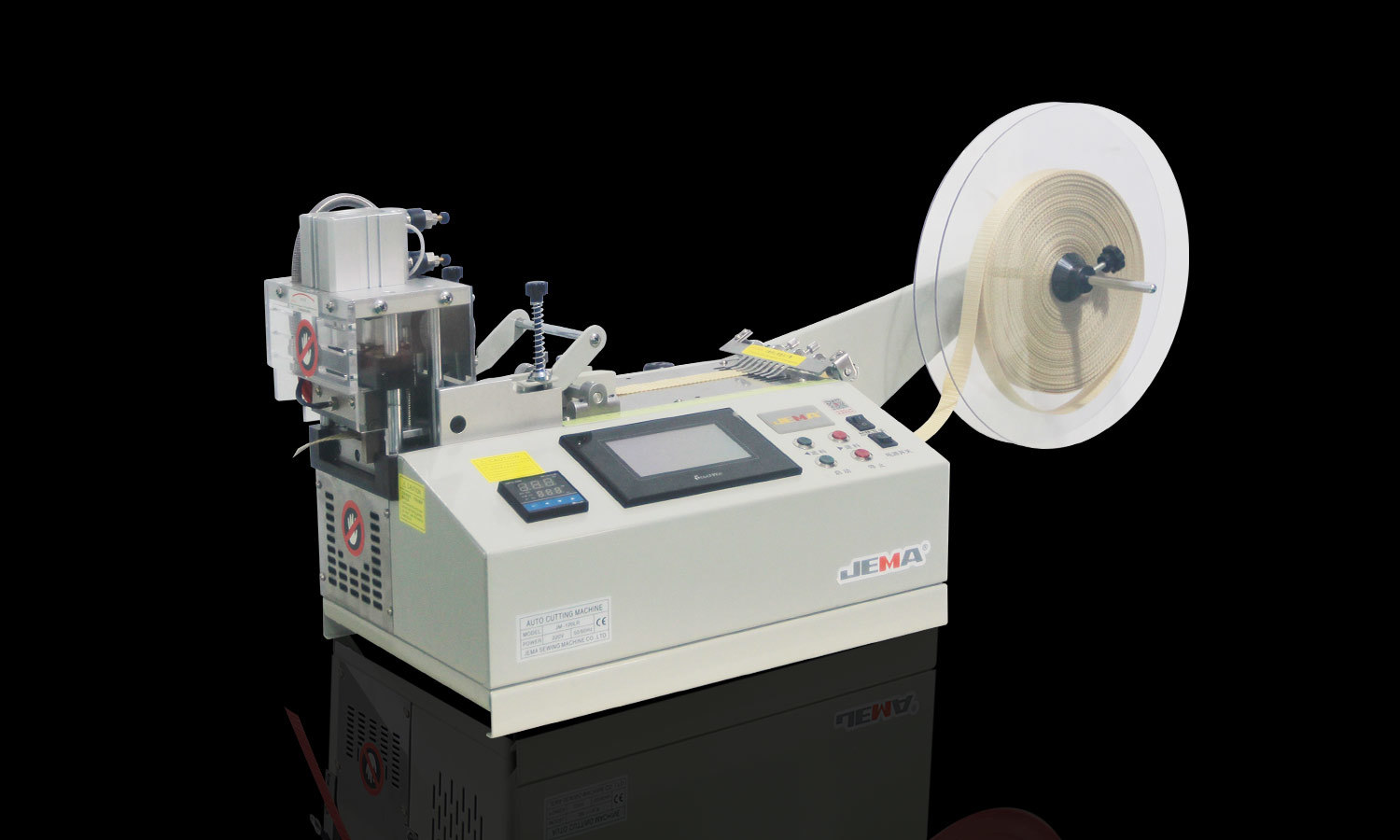
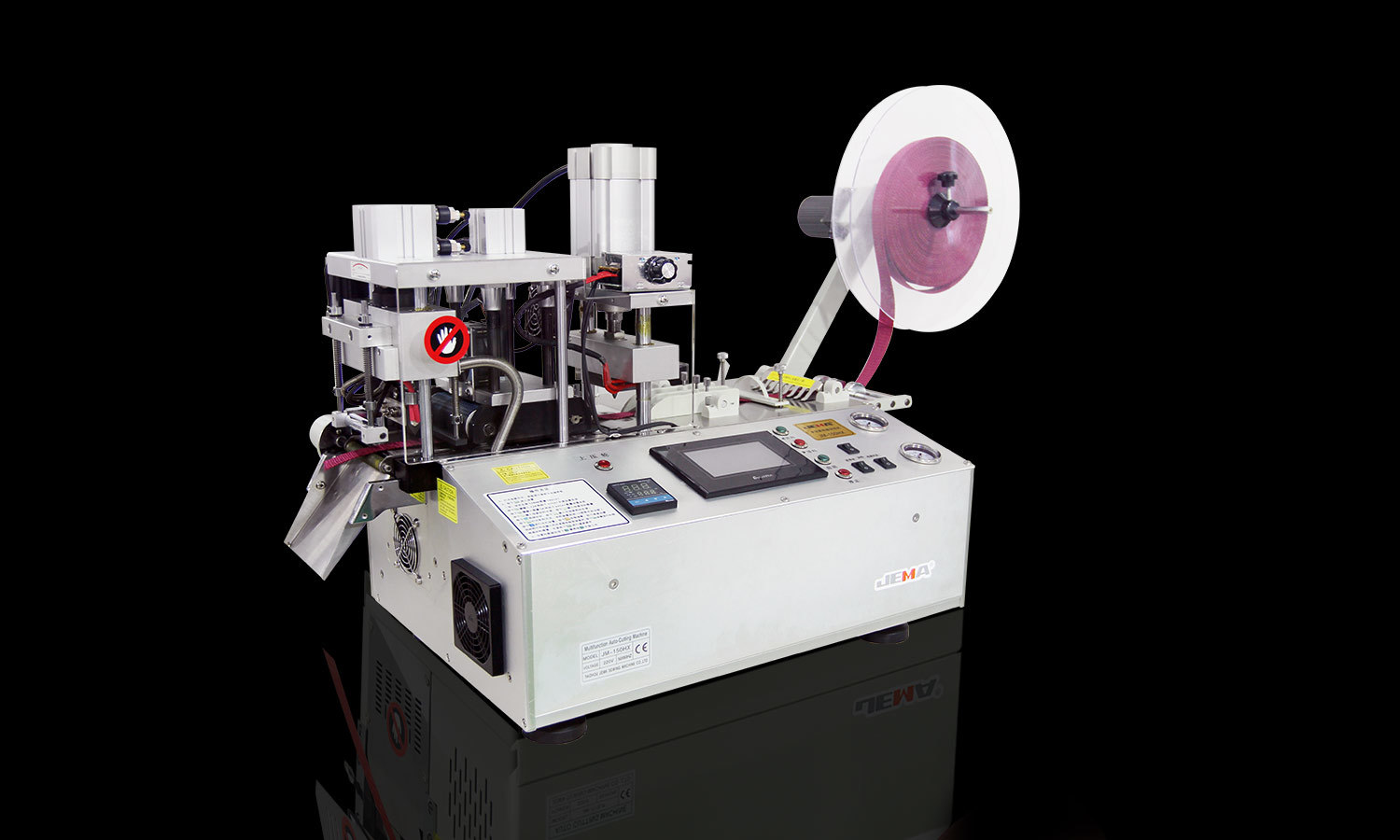
Tape shows up everywhere — electrical assembly, packaging, automotive manufacturing, textile production, you name it. Het lijkt op het eenvoudigst denkbare materiaal, maar verschillende soorten tape gedragen zich in werkelijkheid op totaal verschillende manieren zodra een mes ermee in contact komt. Sommige zijn dun en flexibel; others turn out thick, stretchy, sticky, or reinforced with fibers that fight back against separation. These differences shape how the tape moves through a machine and how cleanly it actually cuts.
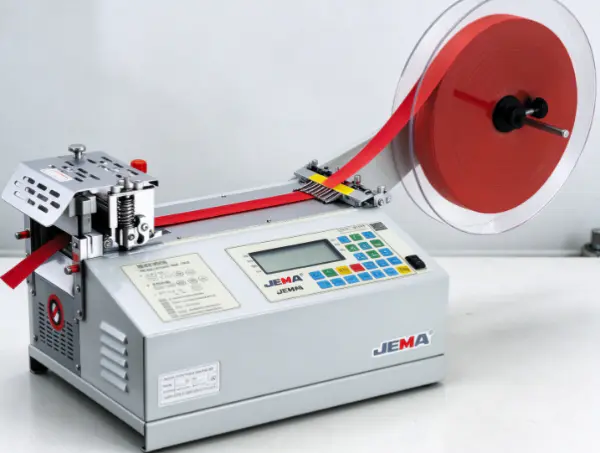
Een elektrische tape snijmachine exists to bring real consistency to this process. Het voert tape aan, positioneert het, snijdt het af op basis van wat de operator heeft ingetoetst. Maar de machine moet nog steeds geschikt zijn voor het materiaal dat er doorheen gaat; een snijmethode die goed omgaat met papiertape kan uit elkaar vallen als er elastische stoffen tape of sterk plakband in zit.
Door inzicht te krijgen in de manier waarop deze machines met verschillende materialen omgaan, kunnen fabrikanten geschikte apparatuur kiezen, snijproblemen verminderen en een gestage workflow in stand houden. Het materiaal zelf, de lijm, de structuur van de achterkant, het beoogde gebruik: het geeft allemaal vorm aan het snijproces op een manier die de moeite waard is om vooraf te begrijpen.
What Makes Different Tape-materiaals Difficult to Cut?
Tape's cutting behavior comes down to more than just thickness. Dragermateriaal, flexibiliteit, kleefeigenschappen, oppervlaktestructuur: dit alles bepaalt het eindresultaat op manieren die niet altijd in één oogopslag duidelijk zijn.
Papieren tape's generally easy to work with since its backing stays fairly stable. It usually guides into position without much stretching involved. That said, thin paper can wrinkle or tear if it's pulled unevenly or hit with too much tension along the way.
Plastic filmtapes gedragen zich heel anders. Their backings bend easily and stretch under pressure. If the material shifts mid-feed, the cut turns uneven fast. Smooth surfaces also make alignment harder to hold, especially when the roll isn't sitting right in the first place.
Textieltape brengt zijn eigen hoofdpijn met zich mee. The woven or nonwoven structure can leave loose fibers trailing along the cut edge. Some fabric tapes stretch when pulled too, which messes with the final length. A proper cutting setup needs to control both the tape's movement and the condition of its edge simultaneously.
Kleefstof stapelt zich op een nieuwe laag van complexiteit. Tape kan aan het mes, de geleideoppervlakken en materiaal in de buurt blijven kleven – en de ophoping van lijm vermindert geleidelijk de snijkwaliteit, terwijl de aanvoer na verloop van tijd minder betrouwbaar wordt. That matters especially with soft or tacky adhesive layers.
Versterkte tape kan moeilijker te scheiden zijn, omdat er vezels of ander versterkend materiaal in zijn ingebakken. Deze toevoegingen verhogen de scheurweerstand zeker, maar ze vragen ook veel meer van de scherpste snede die het werk doet.
Een electric tape cutting machine has to account for all of this. Material compatibility isn't just about motor power — feeding stability, blade design, cutting action, routine cleaning all play into the final result together.
How Does an Electric Tape Cutting Machine Cut Paper and Masking Tape?
Paper tape and masking tape show up constantly in packaging, painting, labeling, general assembly work. Hun relatief stabiele ruggen passen goed bij de meeste elektrische snijmachines, hoewel de papierstructuur en de lijmlaag nog steeds een zorgvuldige behandeling vereisen.
During operation, tape gets guided from the roll toward the cutting area. The machine holds or advances the material, then the blade separates the required length. Depending on the equipment, the operator either picks a preset length or controls the cut manually.
Paper tape really needs stable feeding more than aggressive pulling force. Too much tension damages the backing, particularly with narrow tape or weaker paper stock. If the feed path has sharp bends or rough contact surfaces anywhere, the tape can crease or tear before it even reaches the blade.
Masking tape adds one more wrinkle — its adhesive has to stay manageable the whole way through. If adhesive transfers onto the blade or guides, the tape starts dragging instead of moving smoothly. Cuts turn inconsistent fast, and the operator ends up stopping the machine for cleaning more often than anyone wants.
De staat van het blad is hier ook van groot belang. A worn edge crushes or tears paper rather than separating it cleanly, leaving rough edges and loose fibers behind. Keeping the cutting area clean and matching the blade to the tape helps keep results consistent run after run.
Manufacturers running several paper tape types should also think through roll width, backing strength, adhesive behavior together. A machine handling one paper tape just fine might need real adjustment once the material turns thinner, more delicate, or stickier.
How Does the Machine Handle Plastic Film and Vinyl Tape?
Plastic film and vinyl tapes turn up constantly in electrical work, product assembly, surface protection, general manufacturing. Their flexible, smooth backings set them apart quite a bit from paper-based materials.
Het beheersen van bewegingen is hier de grootste uitdaging. Thin plastic film stretches or wrinkles when pulled too firmly. If the tape shifts sideways mid-feed, the blade misses the intended cutting position entirely. A stable roll holder and well-aligned feed path go a long way toward heading this off.
The cutting action has to match the film's actual behavior too. Some materials separate cleanly under a suitable blade; andere vervormen voordat de snede zelfs maar is voltooid. A dull blade or one poorly matched to the backing lets the film stretch, fold, or develop an edge that's just irregular.
Vinylband often pairs a flexible backing with an adhesive layer. That flexibility helps it wrap surfaces nicely during use, but it can also make the cut piece curl up or stick to nearby parts unexpectedly. The machine needs to release the finished piece cleanly, without yanking it out of position or letting it stick to the blade area.
Adhesive residue gets especially troublesome with repeated cutting over time. As it builds up, it interferes with blade movement and causes tape to drag or collect right around the cutting point. Regular inspection and cleaning keep minor buildup from snowballing into a real production issue.
Operators shouldn't assume every plastic tape processes the same way, worth repeating. Different films respond differently to tension, pressure, blade contact. Testing the actual tape under normal operating conditions is really the only reliable way to confirm the machine feeds and cuts it consistently.
What Should Manufacturers Know About Fabric and Elastic Tape?
Stoffen tape earns its spot wherever flexibility, surface contact, or tear resistance matters. It might be woven fiber, nonwoven material, or a textile backing coated with adhesive. Elastisch bandje adds its own twist since it stretches under tension and springs back once that pulling force lets go.
For fabric tape, edge quality tends to be the real sticking point. A suitable blade separates the material cleanly without leaving excessive loose fibers or pulling threads loose from the backing. The result hinges on the textile structure just as much as the blade's own condition and cutting action.
Het voeren heeft hier echte zorg nodig. Pull the material unevenly, and it twists or drifts away from the intended cutting position. A properly aligned feed path keeps the tape flat as it approaches the blade.
Elastic tape demands even closer attention to tension specifically. Stretched during feeding, it reads longer than its relaxed state actually is. Zodra het is afgesneden en losgelaten, trekt het weer naar beneden, waardoor er een echte opening ontstaat tussen de lengte gemeten halverwege de invoer en de lengte van het voltooide stuk dat in de hand ligt.
A suitable machine setup should minimize unnecessary stretching wherever possible. Operators moeten misschien opnieuw nadenken over hoe de rol wordt vastgehouden, hoe het materiaal door de geleiders beweegt en of het snijproces ervoor zorgt dat de tape de hele tijd relatief ontspannen blijft.
Intended use shapes what counts as an acceptable edge finish too. Tape meant for temporary fastening has different standards than tape built into a finished textile product. Manufacturers should nail down what "acceptable cut" actually means before evaluating equipment against it.
Can an Electric Tape Cutting Machine Handle Foam and Double-Sided Tape?
Schuimband and double-sided tape show up everywhere in mounting, cushioning, sealing, product assembly work. Their structure makes cutting noticeably more complicated than working with a simple film or paper backing.
Foam tape carries a soft layer that compresses under pressure. Als de snijwerking niet goed bij het materiaal past, wordt het schuim vlakker in plaats van netjes los te laten – en kan het ook na het snijden terugveren, waardoor de rand er anders uitziet zodra de druk wegvalt.
De lijmlaag brengt zijn eigen zorg met zich mee. Foam and double-sided tapes stick to blades, guides, and whatever surface collects the finished pieces. That slows the whole process down and makes removal genuinely harder.
Dubbelzijdig plakband often comes with a release liner protecting the adhesive before use. Afhankelijk van het product moet de machine mogelijk de tape en de voering samen doorsnijden, of dingen zo verwerken dat de voering intact blijft. The right approach really depends on the tape's construction and what the finished piece actually needs.
Blade suitability matters for both material types. A clean cut separates the backing without crushing the foam excessively or spreading adhesive across nearby surfaces. The machine also needs to support reliable removal of each piece once it's cut.
Manufacturers can check compatibility against a few practical points:
- Does the tape feed without excessive stretching or compression?
- Can the blade separate the material without leaving an uneven edge?
- Does adhesive accumulate around the cutting area over time?
- Can finished pieces come out without folding, tearing, or sticking together?
- Does the process stay consistent through repeated operation?
Deze controles helpen bepalen of bestaande apparatuur daadwerkelijk past, of dat in plaats daarvan echt een andere messenopstelling, aanvoermethode of machineontwerp nodig is.
How Does an Electric Tape Cutting Machine Process Reinforced and Specialty Tape?
Sommige tapes worden gemaakt voor echt veeleisende toepassingen, boordevol materialen die de sterkte, isolatie, scheurweerstand of oppervlaktebescherming vergroten. Fiber-reinforced tape and certain industrial adhesive tapes fall into this bucket.
Reinforcement changes how the material responds to cutting altogether. Fibers can resist separation even when the surrounding backing cuts easily enough on its own. If the blade can't handle that reinforced structure, the finished edge ends up with uncut strands or pulled fibers trailing off it.
The cutting edge needs to be compatible with the whole tape structure, not just the outer surface staring back at you. A tape with a thin film backing but strong internal fibers often needs a different cutting approach entirely than a simple plastic film would.
Some specialty tapes carry textured surfaces, thick adhesive layers, or unusual backing combinations too. These traits affect how material passes through guides and how it behaves post-cut. A surface that grips beautifully during application can create a lot more friction moving through the machine itself.
In these cases, manufacturers really need to evaluate the full cutting process together. The tape needs feeding without twisting, holding in correct position, separating without excessive force or deformation along the way. The blade needs to stay suitable for the material as production keeps rolling.
Worth thinking through how the tape gets used after cutting too. Electrical insulation tape, protective tape, industrial fastening tape all carry different requirements for edge condition and piece length. The cutting process should preserve whatever characteristics the next manufacturing step actually needs.
A sample test run with the actual material tends to tell you a lot more than relying on its general category label. Twee versterkte tapes kunnen er vrijwel identiek uitzien en zich toch totaal verschillend gedragen vanwege verschillen in de vezelstructuur, lijm of achterkant onder de motorkap.
Which Machine Features Help Accommodate Different Tape Materials?
Een electric tape cutting machine needs more than just a powered blade to handle a real range of materials. Several design features shape whether tape moves smoothly, stays aligned, and separates cleanly through the whole run.
Voeding en uitlijning. Stable feeding heads off twisting, wrinkling, sideways drift. Adjustable guides or suitable roll holders accommodate different tape widths and roll formats. The material should reach the cutting area in a genuinely predictable position every time.
Snijmes en actie. The blade needs to match the tape's backing and adhesive properties specifically. A cutting setup that handles paper beautifully might completely miss the mark with elastic fabric, foam, or reinforced material. Blade condition deserves checking as routine maintenance, not an afterthought.
Lengtecontrole. Consistent feeding supports repeatable cut lengths reliably. Maar flexibele en elastische materialen veranderen van lengte onder spanning – de manier waarop lengte wordt gemeten en gecontroleerd moet dat feitelijke gedrag weerspiegelen en niet negeren.
Behandeling van afgewerkte stukken. Cut pieces should come out easily without sticking to the blade area or tangling up. Especially relevant for narrow strips, soft foam tape, and adhesive materials prone to curling on their own.
Toegang voor reiniging en onderhoud. Adhesive residue, dust, loose fibers all interfere with operation over time. Een ontwerp dat gemakkelijke toegang tot het snijgebied biedt, maakt routinematige reiniging eenvoudiger en helpt operators slijtage op te vangen voordat deze het eindproduct aantast.
| Tape Material | Gemeenschappelijke snij-uitdaging | Belangrijke machine-overweging |
|---|---|---|
| Paper tape | Scheuren, kreuken of ruwe randen | Stabiele voeding en een geschikt mes |
| Kunststof filmtape | Rekken, verschuiven of vouwen | Uitlijning en gecontroleerde spanning |
| Vinyl tape | Flexibiliteit en lijmopbouw | Schone snijvlakken en residucontrole |
| Fabric tape | Losse vezels en rafelranden | Geschiktheid van het blad en positionering van het materiaal |
| Elastic tape | Rekken en samentrekken | Lage, consistente voedingsspanning |
| Foam tape | Compressie en kleverige randen | Snijactie en verwijdering van afgewerkte stukken |
| Double-sided tape | Overbrengen van lijm en hanteren van liner | Materiaalspecifieke snijopstelling |
| Versterkte tape | Ongesneden vezels of ongelijke randen | Een mes dat geschikt is voor de volledige steunstructuur |
These features really need evaluating together, not in isolation. Een geschikt mes levert geen consistente resultaten op als de tape slecht is uitgelijnd bij het naar binnen gaan, en een stabiele invoer kan een snijkant die gewoon niet bij het materiaal past niet compenseren.
How Can Operators Maintain Cutting Quality Across Different Materials?
Even a genuinely suitable machine can turn out inconsistent results if its setup doesn't match whatever tape's actually running through it. Changes in backing material, adhesive, roll condition, production requirements all call for a fresh look before operation starts.
Operators can start by checking the tape roll and feed path directly. The roll should sit securely, and the tape should move without unnecessary resistance fighting it the whole way. Wrinkles, damaged edges, uneven winding can all throw off cutting before the material even reaches the blade.
The cutting area deserves inspection for adhesive buildup, loose fibers, signs of blade wear. Residu sleept de tape; a worn edge increases tearing or leaves cuts incomplete. Cleaning and blade replacement should follow the equipment manufacturer's instructions closely, not guesswork.
A short trial run helps confirm whether the setup actually suits the intended material. Operators moeten de snijranden controleren, afgewerkte stukken vergelijken met de vereiste lengte en kijken of de tape uitrekt, krult of blijft plakken tijdens het verwijderen. Any adjustments should trace back to the material's real behavior, not assumption.
Switching between tape types, it's worth reviewing machine settings fresh rather than just carrying over whatever was dialed in before. Going from paper tape to elastic fabric, say, often means rethinking feeding tension completely. Moving from low-adhesion material to tacky double-sided tape tends to make cleaning a bigger priority than it was before.
Operators should also keep notes on recurring problems and whatever steps fixed them. That builds a practical reference for future material changes and helps different team members stay on the same consistent process.
Machinecompatibiliteit komt uiteindelijk neer op de relatie tussen de tape, de snijmethode en de manier waarop de apparatuur het materiaal daadwerkelijk aanvoert en verwerkt. Door deze factoren goed te begrijpen, kunnen fabrikanten weloverwogen apparatuurkeuzes maken en snijpraktijken ontwikkelen die echt passen bij de tapes die dagelijks door hun productie worden gebruikt.


 +86-576-88177528
 +86-576-88172167

 367# Guangxing Road, Xiachen Street, Jiaojiang District, Taizhou City, China.

